- Portfolio ▼
- | Blog
- | Affiliate discounts
- | Guestbook
- | Info
- | Contact
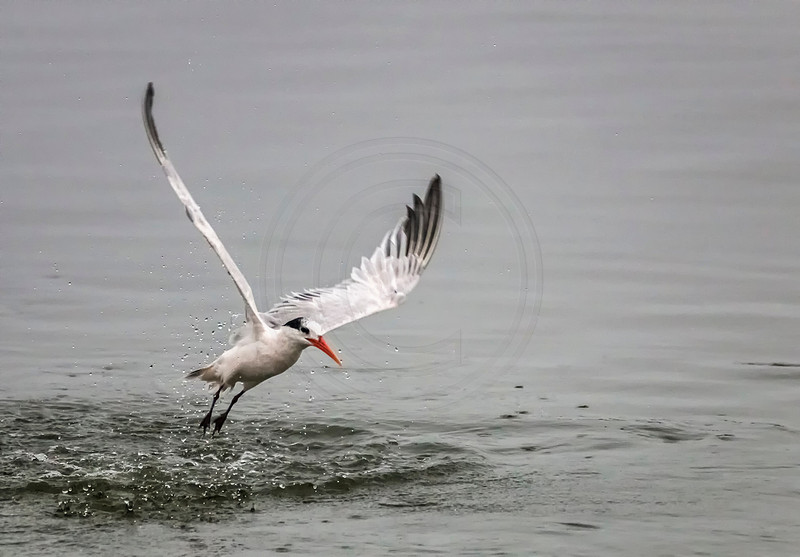
Bird Photography: Part I - EquipmentI met up with expert bird photographer Julie Chen for a day of shooting. Julie was kind enough to share some of her expertise with me. During the next three weeks I will be talking about what bird photographers should do and should avoid. The weather did not cooperate for it was dark and foggy. My arm hurt because two elbow surgeries made my elbow sensitive to bad weather and holding a heavy lens for hours did not help. Today we will be talking about the gear needed to successfully shoot birds. I am not going to deal with setting up a bird "studio" with backgrounds and flashes. Let's get right to it:
Not any old camera is best suited to bird shooting. A crop sensored camera is preferred over a full frame camera. The crop sensor provides a narrower field of view which gives your lens extra reach. Most birds are small and they usually don't pose nicely for us. Getting close to birds are difficult. So bird photographers need a lot of reach in order to fill the frame. For this purpose a crop sensor is often better. Birds move fast; they dart around. A camera with a really good autofocusing system is needed. More specifically, focus tracking is important so that your focus can follow the bird as it moves. Once again crop sensored cameras work best because their focus points are often more spread out across the frame allowing wider focus tracking. I was shooting with an inferior camera (which I had to borrow because I only own a full frame system) than Julie. She was able to set her camera to track the birds much better than mine. Speaking of speed again, a camera that can shoot at a fast frame rate per second is also very important. When shooting birds we shoot in bursts as the bird flies. Many of the images have clipped wings and other problems. To get the right shot you have to shoot many frames per second. Shooting at slower than seven or so shots per seconds is just too slow. Since these birds move fast we will want to use a fast shutter speed to be able to freeze their action. Sometimes the only way to get the shutter speed high enough is to crank up the ISO. Having a camera with good clean high ISO can help. On this day the light was terrible so I was shooting at 3200 ISO and I really struggled in post processing to clean up the noise; it was not pretty. Next a good lens is needed. The long telephoto lenses work well. The bigger the F.Stop the better because it allows more light in which means higher shutter speeds are possible. As an added benefit it also helps to blur the background nicely. Unfortunately, long lenses with large F.Stops are not cheap. I was shooting with a Sigma 150-600mm. While the zoom range was wonderful for birds the biggest F.Stop on the long end is 6.3 which is not the best. I would have preferred F4. When shooting water birds a polarizer filter is also beneficial. I will talk more about this during the next few blogs. Next, a large memory card is needed because you will be shooting hundreds and hundreds of images within no time. Get your gear ready and shoot some birds. Next week we will be dealing with some mistakes bird photographers make. Comments
No comments posted.
Loading...
|
Subscribe
RSS
Archive
January
February
March
April
May
June
July
August
September
October
November
December
|