- Portfolio ▼
- | Blog
- | Affiliate discounts
- | Guestbook
- | Info
- | Contact
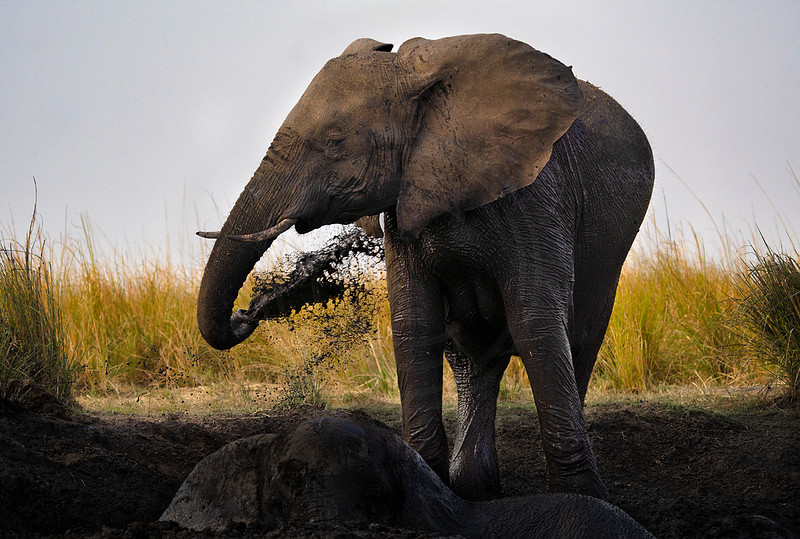
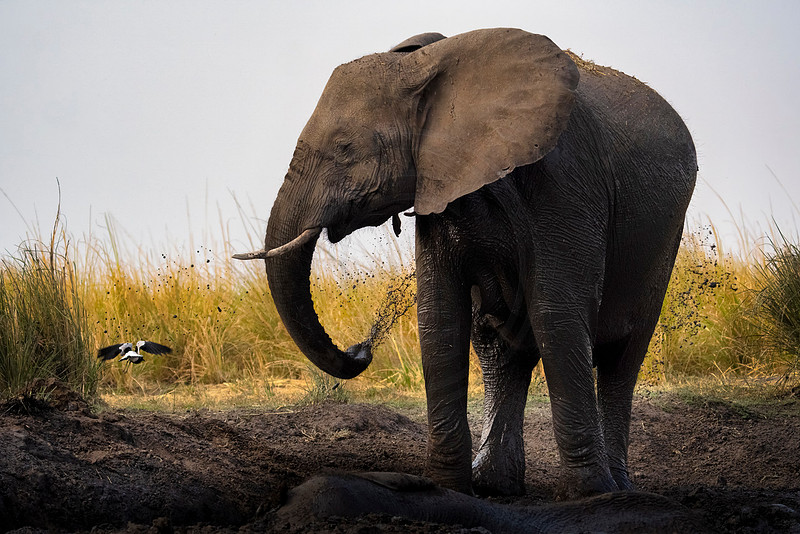
Frame-rate and wildlife photographyWhich of these two images do you prefer?
There are two major differences between the two images:
Small things like this can make or break an image. But how do we as photographers chose the right moment to press the shutter and make the shot? Yes, knowing the animal's behavior patterns helps since things then become more predictable. In reality, as far as these little small things are concerned, they are just not predictable. I wish I can tell you that I timed this image just right, but I can't. This is good news for you because it means that you too would have had this image if you follow my advice. So how then do we chose when to press the shutter? We don't. To maximize our chances of getting that perfect moment we simply set the camera's frame-rate (drive mode) to the fasted speed the camera is capable of and just keep shooting. Discard the unwanted images and keep the great ones. Things like this just happen too fast for us to react with individual shots. You will be surprised how much of a difference a split second can make with the shape or position of the flying mud, a flying bird's wings (open or closed), etc. Use a fast frame-rate to your advantage to capture the right moment. Comments
No comments posted.
Loading...
|
Subscribe
RSS
Archive
January
February
March
April
May
June
July
August
September
October
November
December
|