Birds in flight

January 24, 2021  •  Leave a Comment

Birds in flight can be some of the most difficult wildlife photography to do. These little birds move fast and can fly in erratic ways. To succeed you will need the following gear:

  • A camera with a high frame rate - the higher the better.

  • A camera with great fast autofocus that can track subjects well and stick on them.

  • A longer lens (unless you use a blind/hide or feed the birds). Ideally, if you can afford one, this lens should be a fast lens (large aperture).

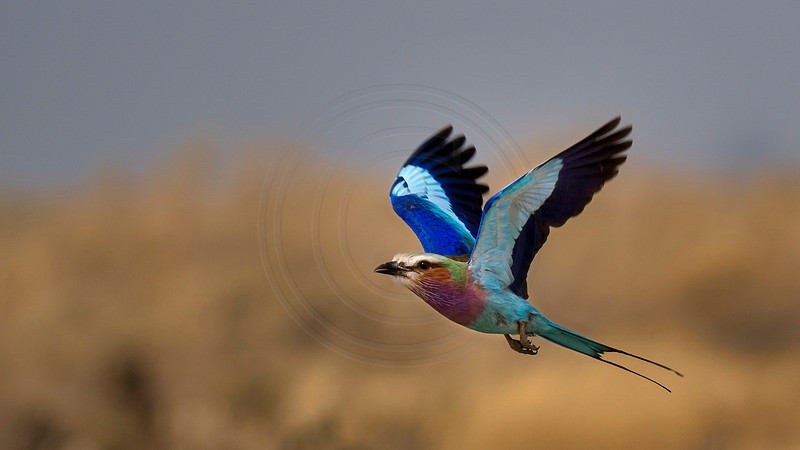
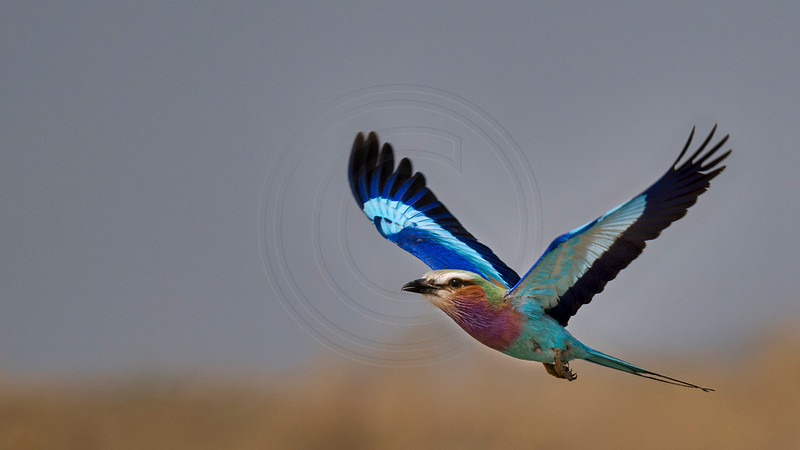
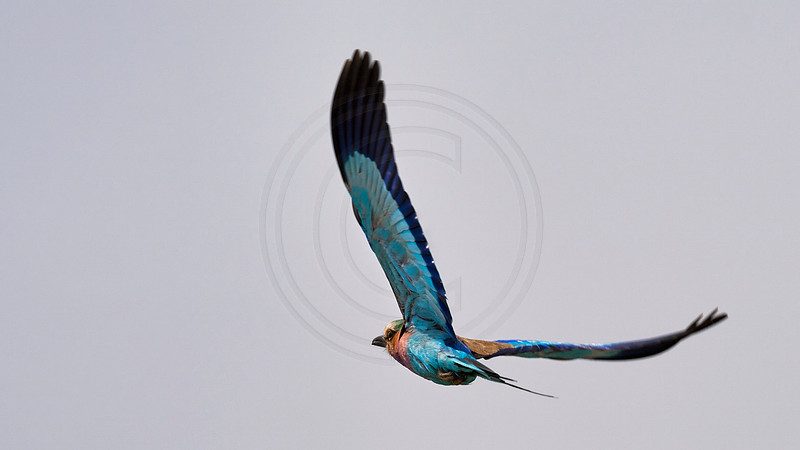
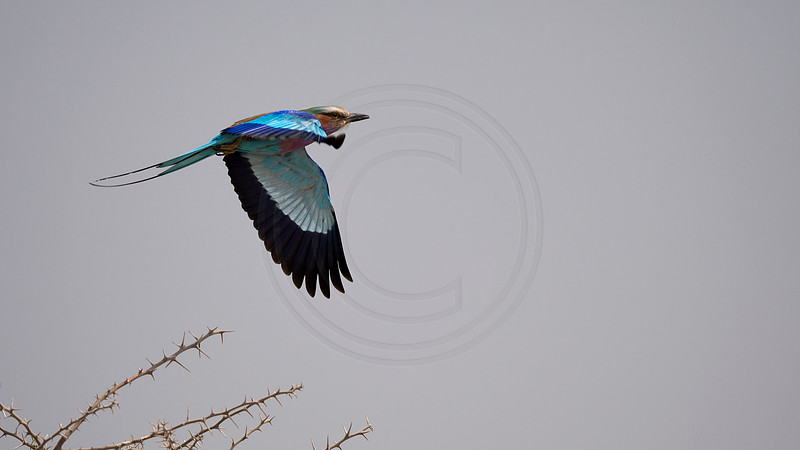
While on a workshop in Botswana I was shooting with a Sony A6400. I chose this camera for the wildlife part of the workshop because it has great autofocus and can shoot at 11 images per second. The attached lens was the Sony 200-600mm. The combination worked well:

The best settings are also very important. Cameras are not set up to perform the best for bird-in-flight photography by default. Here are some helpful settings to remember:

  • Chose a fast shutter speed. The bird is flying fast and the wings flap even faster. You are moving the camera to track the bird which will cause blur if your shutter speed is too slow. Ideally, you will want a shutter speed of around 1600/second or better. I prefer 2000 or above.

  • Use the largest aperture. This helps to give you the most possible light to enable that fast shutter speed. It also blurs the background, which is what we typically want with bird/wildlife images.

  • Use auto-iso. Let the camera pick the iso because your shutter speed is not negotiable and your aperture should stay on the largest one available.

  • Each camera is different so find out how to tune your autofocus to best suit bird-in-flight photography. I prefer a sticky autofocus for birds that grabs focus quickly.

  • Use a silent shutter, if your camera has one. We don't want to scare the bird away. Smaller birds are typically more skittish.

I highly recommend the mentioned Sony lens. The zoom ring moves the lens from 200 to 600mm with a very short turn. This is important, especially as you begin learning the craft. At 600mm it can be really difficult to locate your bird in the frame. With this lens, you simply look for the bird with the lens set at 200mm. Once you located the bird and placed it in your frame it only takes a short turn to zoom in quickly. Longer turns mean that you are not zoomed in enough to shoot fast enough. By the time you zoomed another lens with a longer turn the bird is out of sight, behind a bush, or no longer in an ideal position.

Be patient. Practice a lot. This is not easy.


Comments

No comments posted.
Loading...
Subscribe
RSS
Archive
January February March April (3) May (5) June (4) July (5) August (4) September (2) October November December
January (4) February (4) March (5) April (3) May (4) June (2) July August September October November December
January February March April May June July August September October November December