- Portfolio ▼
- | Blog
- | Affiliate discounts
- | Guestbook
- | Info
- | Contact
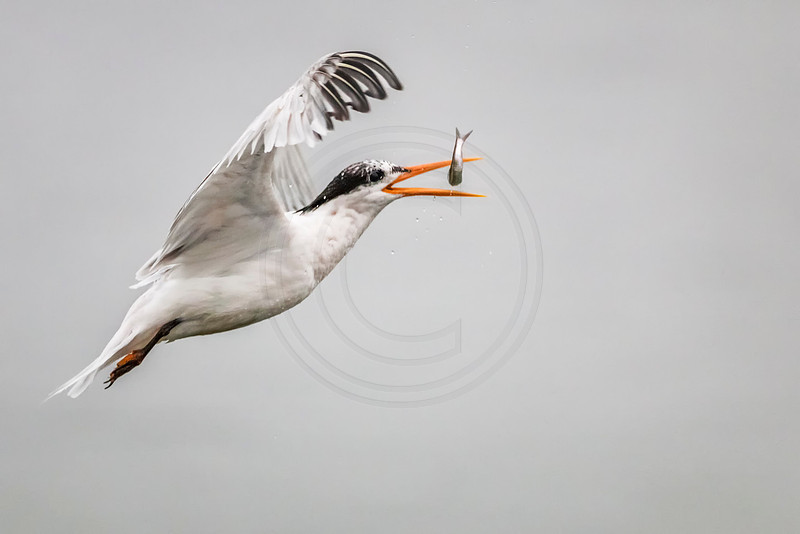
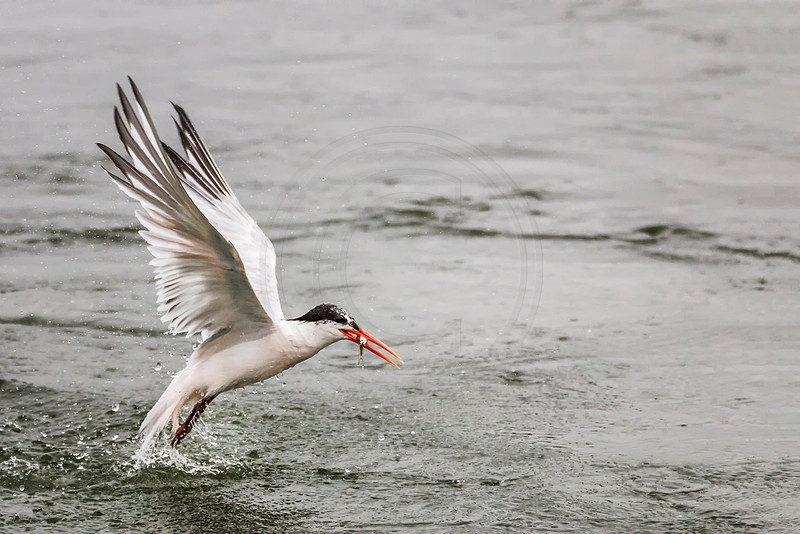
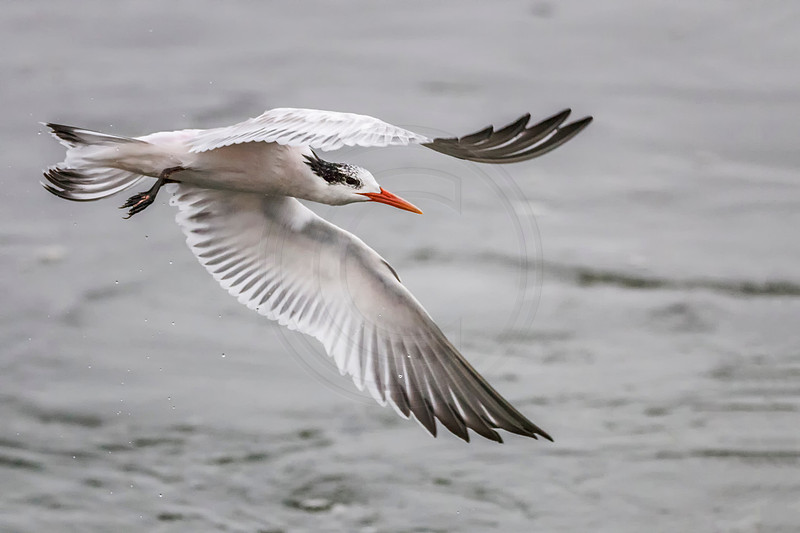
Bird Photography: Part III - TipsBefore taking photographs Julie Chen told me about the behavior of these Turns. As an expert bird photographer she knows her birds well. She explained their behavior before the dive into the water, what they do with the fish as they take off again, and so on. She was not telling me about the birds because she wanted to make small talk and be interesting. She was telling me what I needed to know in order to be success at shooting these birds. They dive into the water at great speed and fly off quickly again. Knowing their behavior enables the photographer to predict their dive. That helps you to be ready to shoot them. Without such knowledge it is very, very difficult to get images. By the time I lifted my camera up it was too late. When I got used to their behavior I could anticipate their movements, be ready, and I got the shots I wanted. Tip one: Get to know the behavior of the birds you are shooting.
Tip four: Shoot much. No, this is not the same as practicing. What I mean with shooting much is that in order to end up with a few good bird images you have to start with many. Even a seasoned pro will end up with a lot of images with clipped wings and the sort. Shoot in bursts at a high frame rate and take thousands of images. From the thousands you may have a few really good shots. Don't be afraid of shooting by the thousand. This is the beauty of digital, shooting does not cost much once you have your gear. Tip five: Use a camera support system. Even a monopod is helpful. My arm hurt after a while. Long lenses are heavy. The bigger the F.Stop the heavier. Using a support for your gear will help you to focus on the birds rather than on your discomfort. Enjoy the birds.
Comments
No comments posted.
Loading...
|
Subscribe
RSS
Archive
January
February
March
April
May
June
July
August
September
October
November
December
|