Wildlife photography tips: Part III - Use good composition

November 22, 2015  •  2 Comments

Animals and birds do not often cooperate with photographers. At times they turn their backs at us. At other times they just look at us, but don't do anything. This is where we just do the best we can. We can use good composition to improve the image. We can attempt to shoot something different. Let's look at a few examples while I share compositional rules that may help you get better wildlife images.

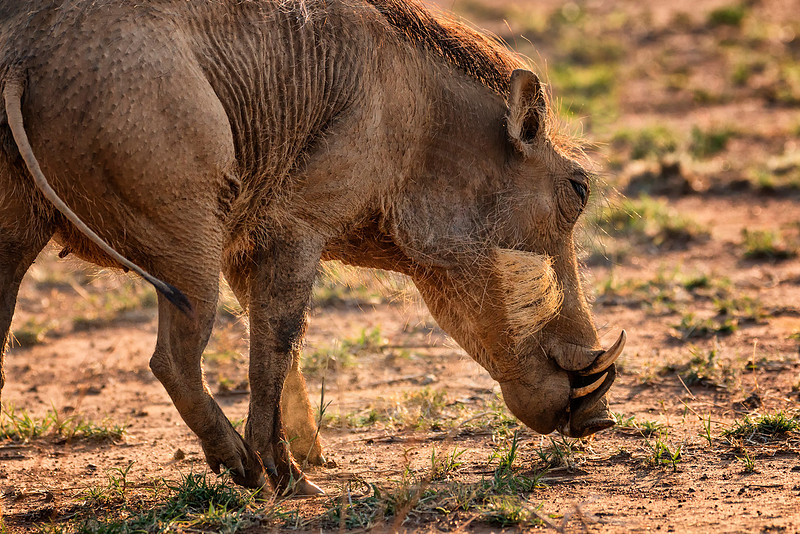
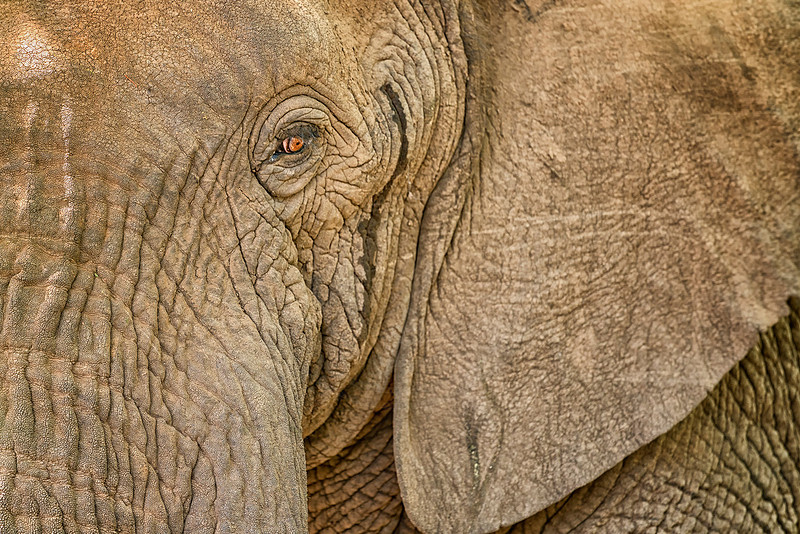
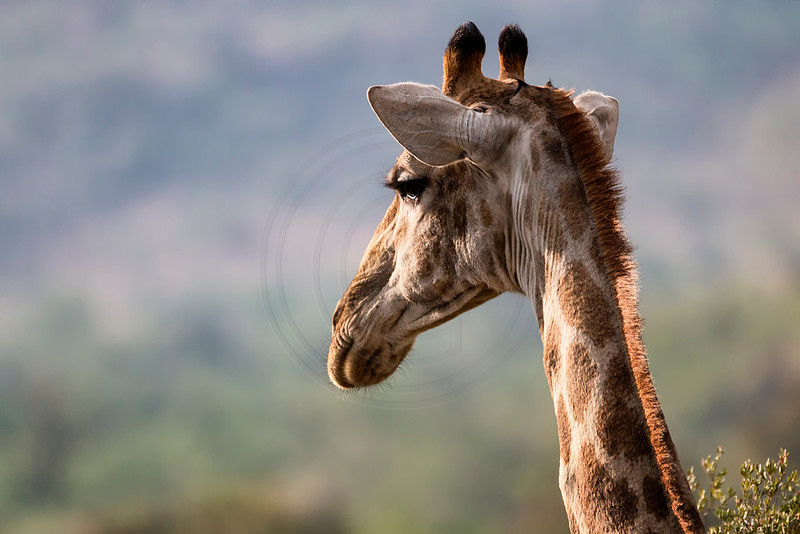
The warthog is slowly moving forward and thus needs space to move into. We don't want him to walk out of the image because the viewer's eye's will then also leave the image. So make sure that animals have space in front of them to move into (whether they are actually moving or not). Elephant eye The background was terrible so I could not include it. Why not shoot something different? Remember the rule of thirds? Yes, it also applies to wildlife photography. So notice where I placed the eye which is the main point of interest. It is right where two lines of thirds intersect each other. That is the strongest compositional place. So place the eye there. The eye is looking towards the bottom right. So even though the eye does not move there needs to be space for the eye to look into (in the same direction as where the eye is pointed)(this also applies to a pointing finger or anything pointing). Therefore we are not going to place this eye, as it is currently looking, on the bottom right because they it is looking out of the image rather than into it. We will always look where it is looking. So we don't want the viewer's eye's to look out of the image. Place the eye so that it has space to look into and preferably so that he is looking back into the image. Once again the eye is placed on the top third line. The background is blurred to help the animal stand out. There is space for it to walk into. We have not clipped the horns. When cutting an animal or object make sure to cut it boldly, we never just nick something; it just does not look right. Try to get light on the area that is important (face and eye in this image). We always focus on the eye. Other parts of the animal can be out of focus but the eye should always be sharp. The eyes need to be clearly visible; watch for twigs or grass or anything in front of the eyes.

          The shot either needs to be a landscape image with an animal in it or it needs to be an animal shot where the animal is large enough to dominate the frame. People do not want to look at a tiny object in the distance and wonder what it is. The animal needs to be large enough to be easily recognized and it should play a compositional role in a landscape image. If the animal is the main object in the image please get it large enough to dominate the frame or that image will not be appealing.

          I hope this helps you to get better wildlife images by using good composition.


Comments

Pierre Steenberg(non-registered)
Justin,

Thank you for your comment. Yes, to shoot wildlife you need a lot of reach. Long lenses are essential. Both Sigma and Tamron now have really affordable lenses out (150-600mm), and they are actually pretty good.
justin(non-registered)
I love these shots! I've been trying to get a shot of an elephant like that before but I'm limited with the lens' I have.
No comments posted.
Loading...
Subscribe
RSS
Archive
January February March April (3) May (5) June (4) July (5) August (4) September (2) October November December
January (4) February (4) March (5) April (3) May (4) June (2) July August September October November December
January February March April May June July August September October November December