- Portfolio ▼
- | Blog
- | Affiliate discounts
- | Guestbook
- | Info
- | Contact
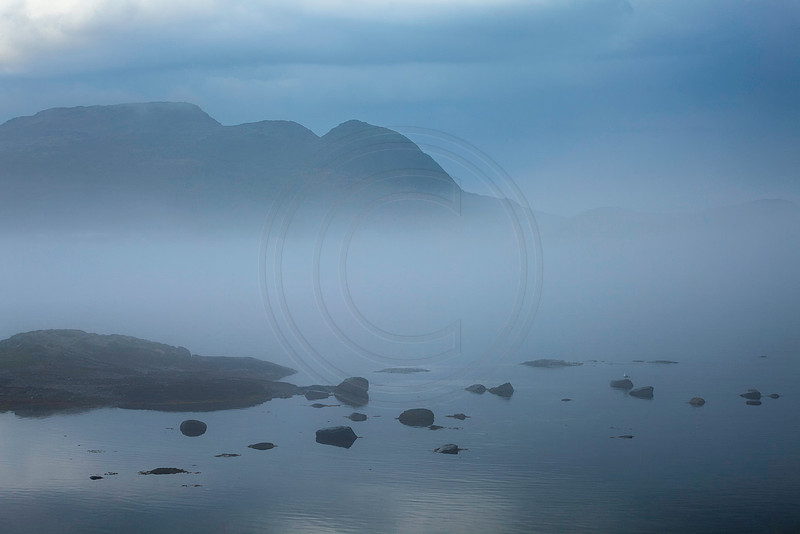
Working fast ...One thinks of landscape photography as a slow endeavor. In deed I have waited many hours for the light to change; many times in vain. So when I tell photographic workshop participants that we need to work fast the beginners are often perplexed. I have been told many, many times that the .......... (mountain, lake, tree, insert landscape element) is not going anywhere. So why do we need to work fast? How much time do you think I had to shoot this shot?
People may think: "Well the water is not going anywhere anytime soon and neither are the rocks or mountain. Remember that one of my first blogs said that photography is not about the scene but about light. Light changes very fast. I have had gray boring skies light up in bright orange, but just for a minute before returning to gray again as the sunset broke through momentarily. The sports photographer may say that a minute of time is plenty. Not so! Landscape photographers often work in very low light in which it is very difficult to focus. At times it is even difficult to compose because you cannot see the darker areas of the image. You have to maneuver a tripod. To make matters worse the camera's light meter stops telling you how long to keep the shutter open when your shutter speed exceeds 30 seconds (and we shoot many shot with shutter speeds of longer than 30 seconds). Now you have to calculate it manually. While all of this is taking place the light changes all the time (especially on the edges of storms when we find good dramatic light). On the foot of this mountain is a little town. I did not want to shoot the town. Within minutes the fog rolled in, seemingly from out of nowhere. That fog created this moody shot. A few minutes prior to this shot, this image did not exit (the town was visible and the shot would not have been moody). A minute later the mountain itself was hidden by the fog; opportunity gone. In other situations God-rays may only appear for seconds. Light may burst through and beautifully illuminate an object for a short moment. We have to be ready. We have to work fast. So how do we work fast? 1. Know your gear. This is not the time to wonder how to setup the camera in a certain way. Ensure that you can set anything, anytime, quickly. I cannot tell you how many times students call me over for help with camera settings in fleeting light. There are hundreds of camera models out there. It is not feasible to expect the instructor to know every workshop participant's camera. By the time the camera is set the shot is gone. 2. Know where everything is. Place your gear in the same place in your bag every time. When you are done with something (a filter for example), place it where it belongs right away. You may need it quickly when you do not have time to look for it. I have a pouch that holds multiple filters right on my tripod. We often need two hands to change composition (one hand on the camera and the other on the ball head), so what do you do with the filter in your one hand? Prior to getting this pouch I would stick it in a pocket just to search for it later (which pocket, or was it in the camera bag?). Often a 4x6 filter did not fit in my pocket so I would pinch it between my knees (I hope other photographers did not think I have a need). Standing in an awkward position slows you down. This little pouch work so well for me. I know where my filters are at all times and have quick access to them right from my tripod. 3. Keep a spare battery and memory card handy for quick access. Mr. Murphy will ensure that your battery is flat or that your memory card is full just when you need to grab that winning shot. 4. Use an L-bracket for vertical orientation. It is just sooooo much easier to quickly change orientation and compose using an L-bracket than trying to use the slot in your ball head. 5. Be aware of what is happening around you. The action may take place behind you. 6. Find a workflow that works well for you when using your camera and stick with it to become proficient and quick. Your workflow needs to happen automatically and in order. You just don't have the time to wonder if you have set this or done that. 7. Practice. Review your settings before a major shoot (or trip). Anticipate your shot (as far as possible) and set your camera accordingly prior to the shoot. Be ready and act quickly. Comments
No comments posted.
Loading...
|
Subscribe
RSS
Archive
January
February
March
April
May
June
July
August
September
October
November
December
|