- Portfolio ▼
- | Blog
- | Affiliate discounts
- | Guestbook
- | Info
- | Contact
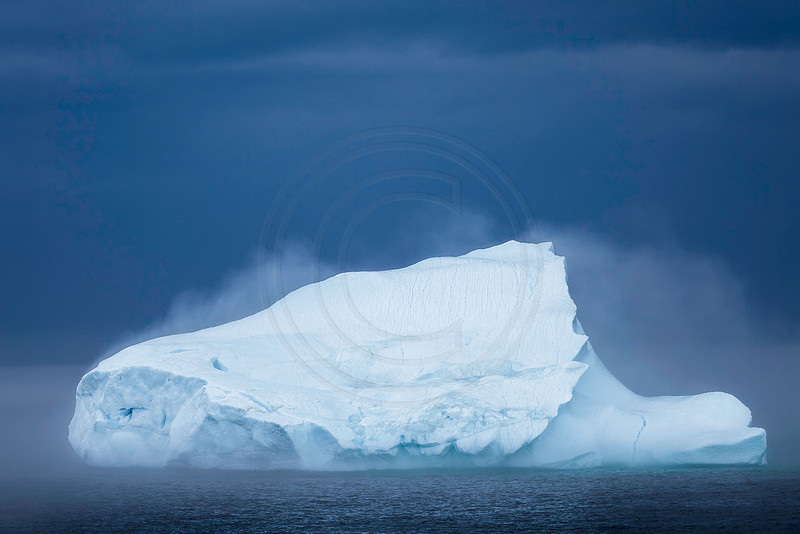
Control your white balanceWhite balance sets the color temperature of your shots. Blue is cold while orange is warm. Your camera senses what the color temperature is and sets it for each shot. Many people shoot on Auto White Balance. If you shoot JPG files you cannot really change white balance after the shot has been taken. In this case it is very important to set your camera's white balance to match the prevailing conditions (sunny, cloudy, shade, etc.). If you shoot raw you can adjust the white balance later. For landscape photography the human eye mostly prefers the warmer shots. Evaluate each shot before tinkering with the white balance. Ask whether the shot is supposed to feel warm or cold. What is the shot supposed to make the viewer feel? Many people automatically set their white balance a bit warmer; which is mostly just fine. However, if your shot needs to be cold do not be afraid of making the shot a bit colder. Many shots have a mood which can often be enhanced by the correct white balance for that shot. It was raining on and off. Fog was coming and going. The light was changing by the minute and changes happened quickly. One minute the iceberg was lit in bright sunshine with harsh shadows, the next it was shrouded in fog so thick one could barely see it. The wind was annoying. I mostly hate the wind when trying to shoot. The wind messes with your focus because the flowers, leaves, etc. are moving and when you shoot in low light with small F.stops your shutter speed is slow. When objects in your shot are moving because of the wind and you are shooting with slow shutter speeds your images are ruined; out of focus. The wind even makes these big icebergs bob up and down by its own force and by causing wave action. In short, it was cold, windy, and miserable. I wanted this shot to convey what it was like; cold, windy, and miserable. To do that I deliberately set the white balance lower to create the feeling of cold. I wanted that mood to be evident in the shot. Don't be afraid to work with colder white balance if your shot needs it.
By the way, the only solution to the motion blur (out of focus objects due to movement, often from wind) is to shoot at faster shutter speeds, to freeze the motion. You cannot get a faster shutter speed in landscape photography by opening up your aperture because you generally need the depth of field (everything in focus, front to back). So to get a faster shutter speed you have to crank up your ISO. Be careful not to go too high as noise (grain like effect that is just ugly in most landscape shots) will increase. I cannot wait for Canon to introduce a sensor than can really shoot noise free images at high ISO. This trip to Newfoundland made me realize that once again. This is an island; the wind is always blowing so clouds move, flowers move, leaves move, even the camera can be shaking in the wind (yes, even on the tripod). Choose a white balance that is right for the shot at hand; warmer is not always better. Comments
No comments posted.
Loading...
|
Subscribe
RSS
Archive
January
February
March
April
May
June
July
August
September
October
November
December
|